A successful future begins with the opportunity to grow. LINC helps justice-involved individuals develop practical skills, strengthen decision-making, and prepare for meaningful employment. Through LINC Anatomy, Employment Bootcamp, and Cognitive Behavioral Interventions (CBI), participants gain tools to navigate challenges, build confidence, and pursue greater independence.
Finding employment is an important step toward stability, but lasting success requires more than a paycheck. Confidence, communication, problem-solving, accountability, and the ability to navigate challenges all contribute to building a productive and independent future.
LINC's workforce development and personal growth programs address these interconnected needs. Through practical job-readiness training, opportunities for self-discovery, and evidence-based cognitive behavioral interventions, participants can develop skills that support success in the workplace, at home, and in the community.
Each program offers a different pathway to growth, meeting individuals where they are and helping them take meaningful steps toward their goals.
LINC Anatomy helps individuals turn their experiences, strengths, and commitment to helping others into meaningful career opportunities. The program offers training stipends and support for individuals pursuing certification as Peer Support Specialists (PSS) and Community Health Workers (CHW).
Peer Support Specialists use their lived experiences with recovery, justice involvement, and other life challenges to support individuals navigating similar circumstances. Through mentorship, encouragement, and connections to services, they help others pursue recovery and stability.
Community Health Workers serve as trusted connections between individuals and the healthcare and social service systems. They help people access resources, navigate barriers, and build healthier, more stable lives.
LINC Anatomy staff assist with applications, coordinate training opportunities, and support participants through the certification process.
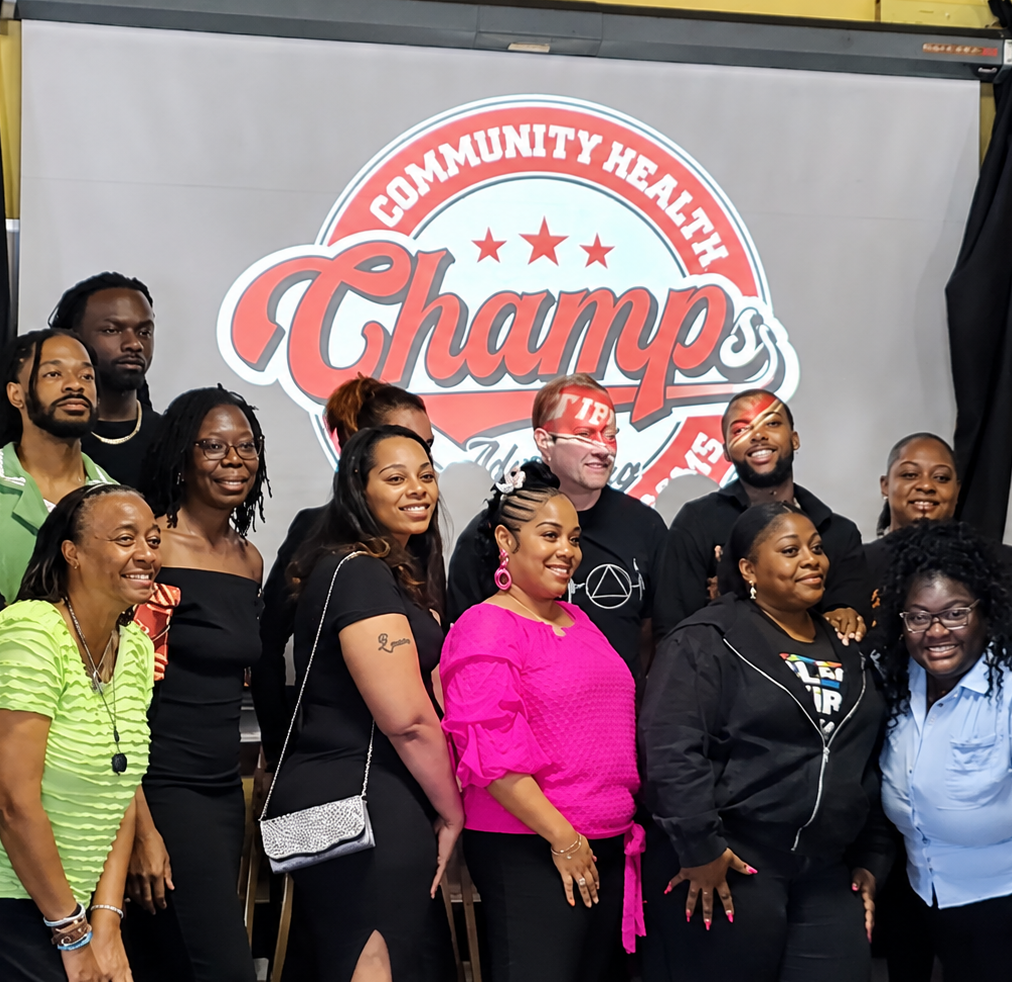
Training opportunities are scheduled periodically. Contact Wilma Moses for information about upcoming classes, eligibility, and application assistance.
Wilma Moses, LINC Anatomy Coordinator
(910) 332-1140 | wmoses@lincnc.org
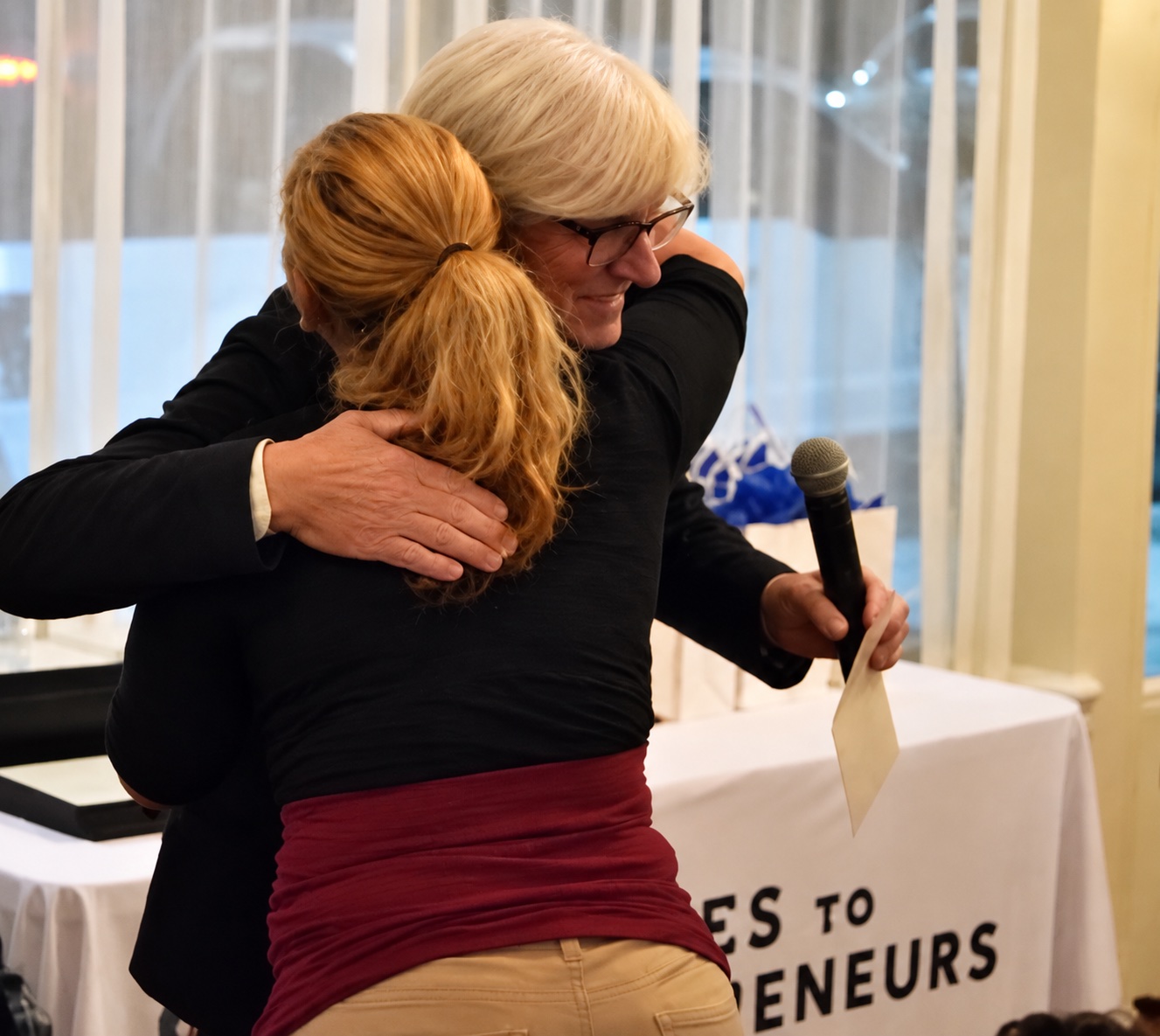
LINC's Employment Bootcamp helps justice-involved and formerly incarcerated individuals develop the skills, confidence, and mindset needed to pursue meaningful employment.
Through flexible group and one-on-one sessions, participants receive practical guidance in job searching, résumé writing, completing applications, and preparing for interviews. The program also helps individuals explore training and certification opportunities, strengthen technology skills, and connect with Second Chance employers.
Employment Bootcamp staff maintain relationships with employers who recognize the value of second chances, providing referrals and guidance to help participants move toward greater financial independence. The program also encourages participants to explore self-employment and entrepreneurship as potential pathways to earning a living, building on their existing skills, talents, and ambitions.
Who Can Participate?
Employment Bootcamp serves justice-involved and formerly incarcerated individuals who reside in New Hanover County. No formal application is required.
Session dates, times, and locations vary. Contact Dwight Hale directly to learn about upcoming opportunities and how to participate.
Dwight Hale, Employment Bootcamp Facilitator
(419) 297-6294 | dhale@lincnc.org
LINC's Cognitive Behavioral Interventions (CBI) program helps justice-involved individuals recognize unhelpful thinking patterns, manage their reactions to challenging situations, and develop healthier approaches to everyday decisions.
Through supportive group sessions, participants learn practical strategies for identifying triggers, managing emotions, improving problem-solving skills, and responding constructively to life's challenges. These skills can strengthen relationships, support recovery, improve employment readiness, and reduce the likelihood of returning to incarceration.
Originally established to address the challenges associated with opioid use disorders, CBI provides a welcoming, nonjudgmental environment where participants can reflect on their experiences, build resilience, and develop tools for lasting personal change.
Who Can Participate?
CBI serves justice-involved adults ages 18 and older who reside in New Hanover County. No formal application is required, and special group sessions may be arranged upon request.
Shortly after his release, one participant arrived at LINC facing an immediate challenge: he had been released without the medication he needed.
His first CBI group was difficult. He struggled to connect with his peers and considered giving up.
Instead, he worked with his LINC case manager to get his medications regulated. The following week, he returned to CBI, ready to try again.
Today, he's a regular participant—putting new skills into practice, supporting fellow group members, and contributing positively to each session.
What began as a difficult first step has become a source of connection, confidence, and hope for what comes next.
CBI sessions are offered at varying times and locations. Contact Dwight Hale for information about upcoming groups, participation, or arranging a special session.
Dwight Hale, CBI Facilitator
(419) 297-6294 | dhale@lincnc.org
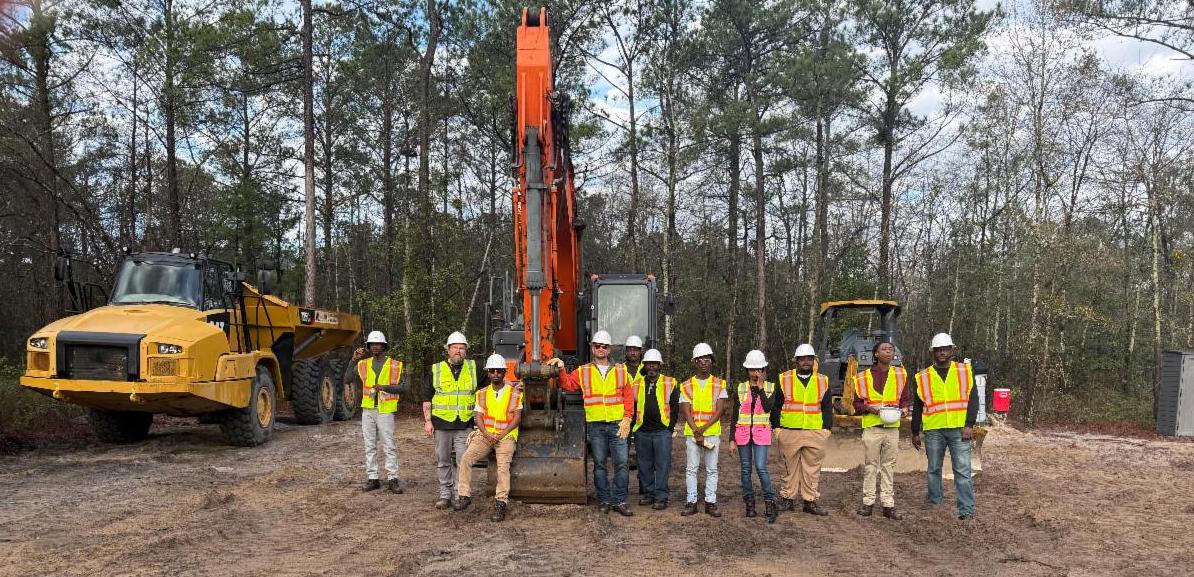
A successful return to the community isn't built on a single class, a new job, or one good decision. It happens when people have access to the skills, encouragement, relationships, and resources they need to keep moving forward.At LINC, workforce development and personal growth are part of a larger commitment to helping individuals build stability, discover opportunities, and create meaningful futures. Every step matters—and no one should have to take those steps alone.