Safe, stable housing is the foundation for successful reentry—but it's only the beginning. Through transitional housing, specialized residential programs, and permanent supportive housing, LINC helps justice-involved individuals rebuild their lives with dignity and purpose. Individualized case management and comprehensive wraparound services connect participants with the healthcare, employment opportunities, education, recovery support, and community resources they need to move toward lasting independence.
Housing provides the stability people need to begin again. But successful reentry requires more than a safe place to sleep. LINC's approach recognizes that every person's circumstances, strengths, and challenges are different.
Through individualized case management and a network of community partnerships, LINC connects participants with employment opportunities, education, healthcare, behavioral health and recovery services, life-skills development, and the support systems that help build lasting independence.
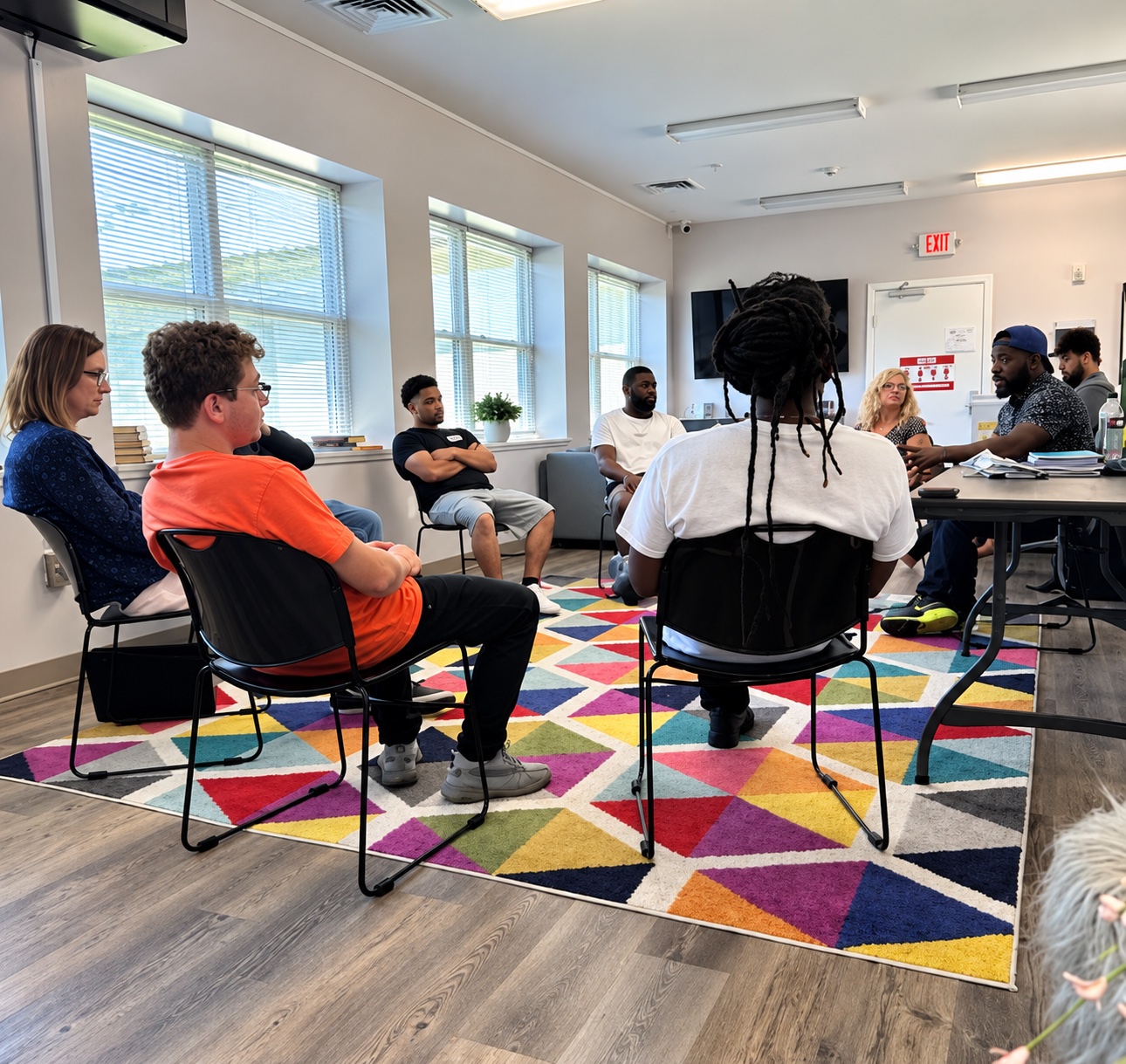
For decades, the Marvin E. Roberts Transitional Living Campus (M.E.R.) has been at the heart of LINC's mission to help people rebuild their lives after incarceration. As LINC's flagship residential initiative, M.E.R. provides more than transitional housing. It offers a supportive environment where returning citizens can establish stability, identify their strengths, overcome barriers, and prepare for greater independence.
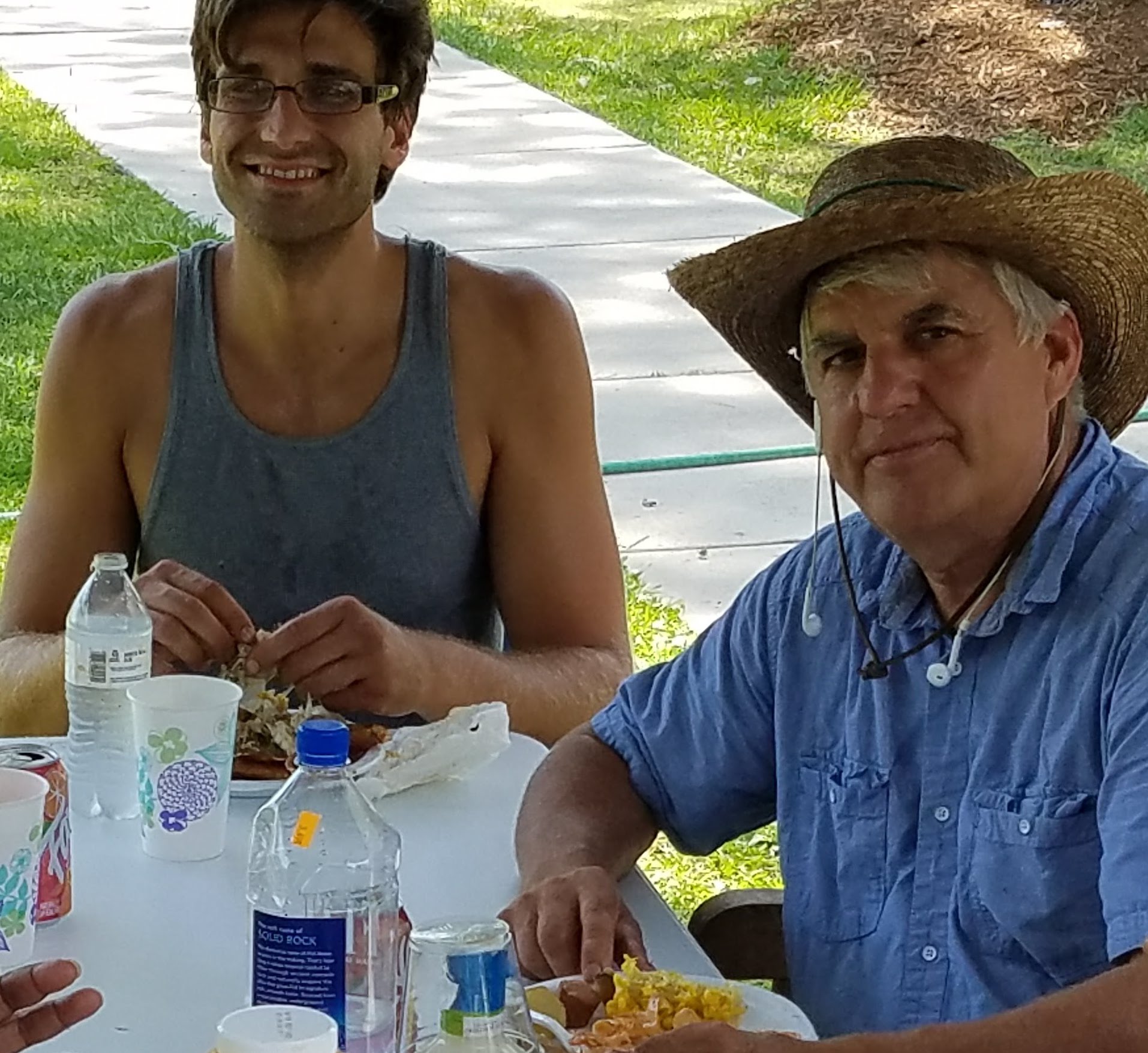
The Marvin E. Roberts Transitional Living Campus provides a supportive residential environment for people returning to the community after incarceration. Here, residents have the opportunity to establish routines, develop skills, and work toward personal goals while receiving individualized guidance from LINC's residential team.
M.E.R.'s strengths-based approach begins with recognizing each person's abilities and potential. Through intensive case management, residents are connected with employment and job training, educational opportunities, healthcare, behavioral health and recovery services, and community resources that help address barriers to successful reentry.
The goal is not simply to provide temporary housing. It is to help residents build the confidence, stability, and practical foundations for greater independence.
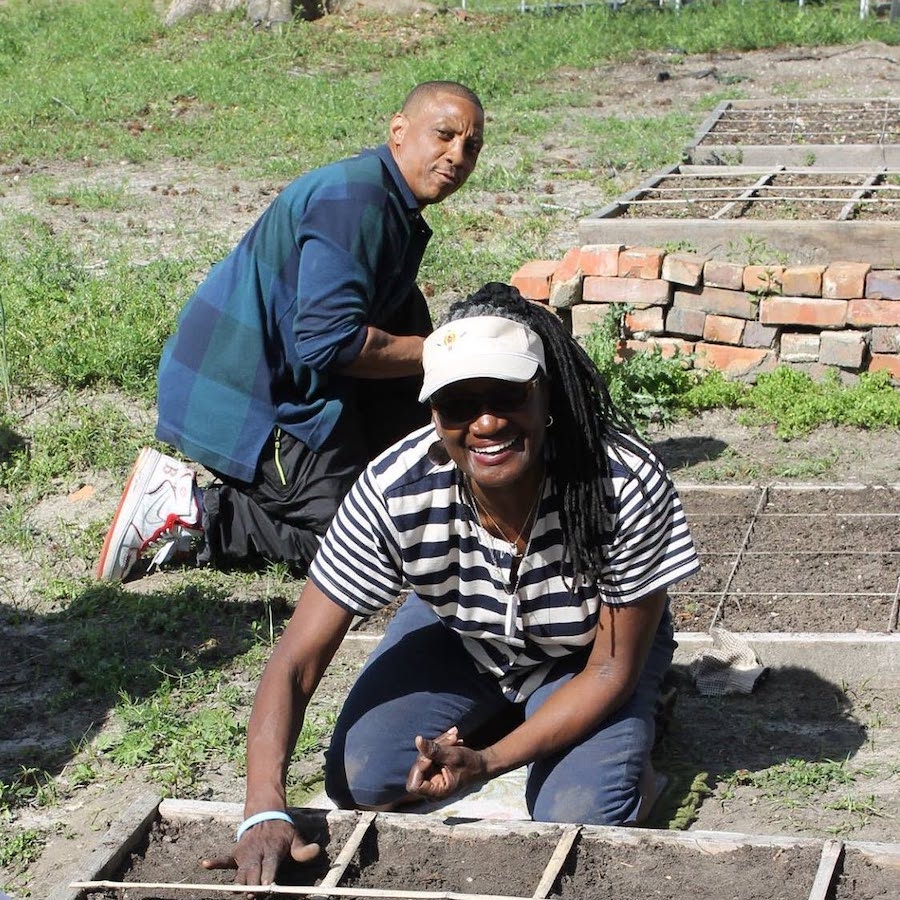
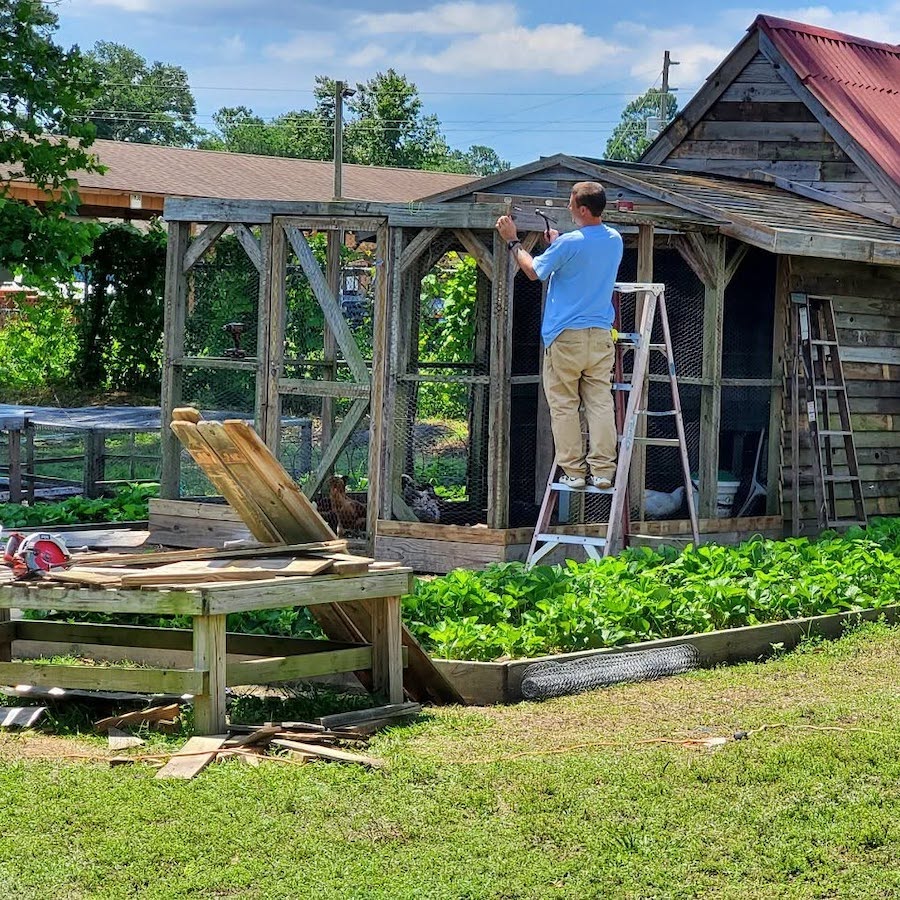
Located on the Marvin E. Roberts Transitional Living Campus, LINC's Urban Farm is more than a place to grow fresh vegetables. It's an extension of the campus's whole-person approach to reentry, giving residents opportunities to work with their hands, learn practical skills, build relationships, and experience the satisfaction of nurturing something from the ground up.
Planting, tending, and harvesting create opportunities for teamwork, responsibility, patience, and personal accomplishment. Working in the garden also offers a restorative connection to nature—a chance to slow down, focus, and take pride in meaningful work.

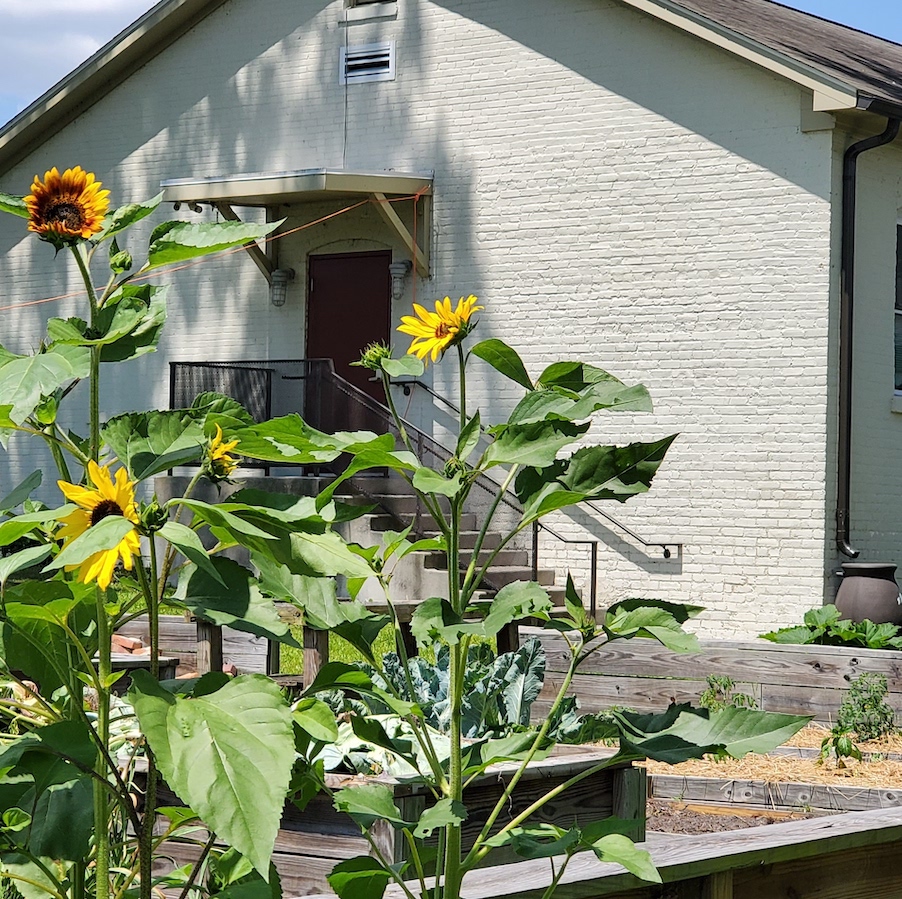
The New Hanover Stabilization and Recovery Center (STAR) expands LINC's residential support for justice-involved individuals whose reentry journeys include substance-use recovery. Established with funding from New Hanover County and opened in fall 2025, STAR provides a supportive residential environment where recovery is central to rebuilding stability and preparing for greater independence.
Many STAR residents participate in medication-assisted treatment (MAT), alongside recovery-focused support such as Alcoholics Anonymous (AA), Narcotics Anonymous (NA), and connections to treatment and healthcare providers. Individualized case management helps residents address employment, education, life skills, and other needs essential to successful reentry.
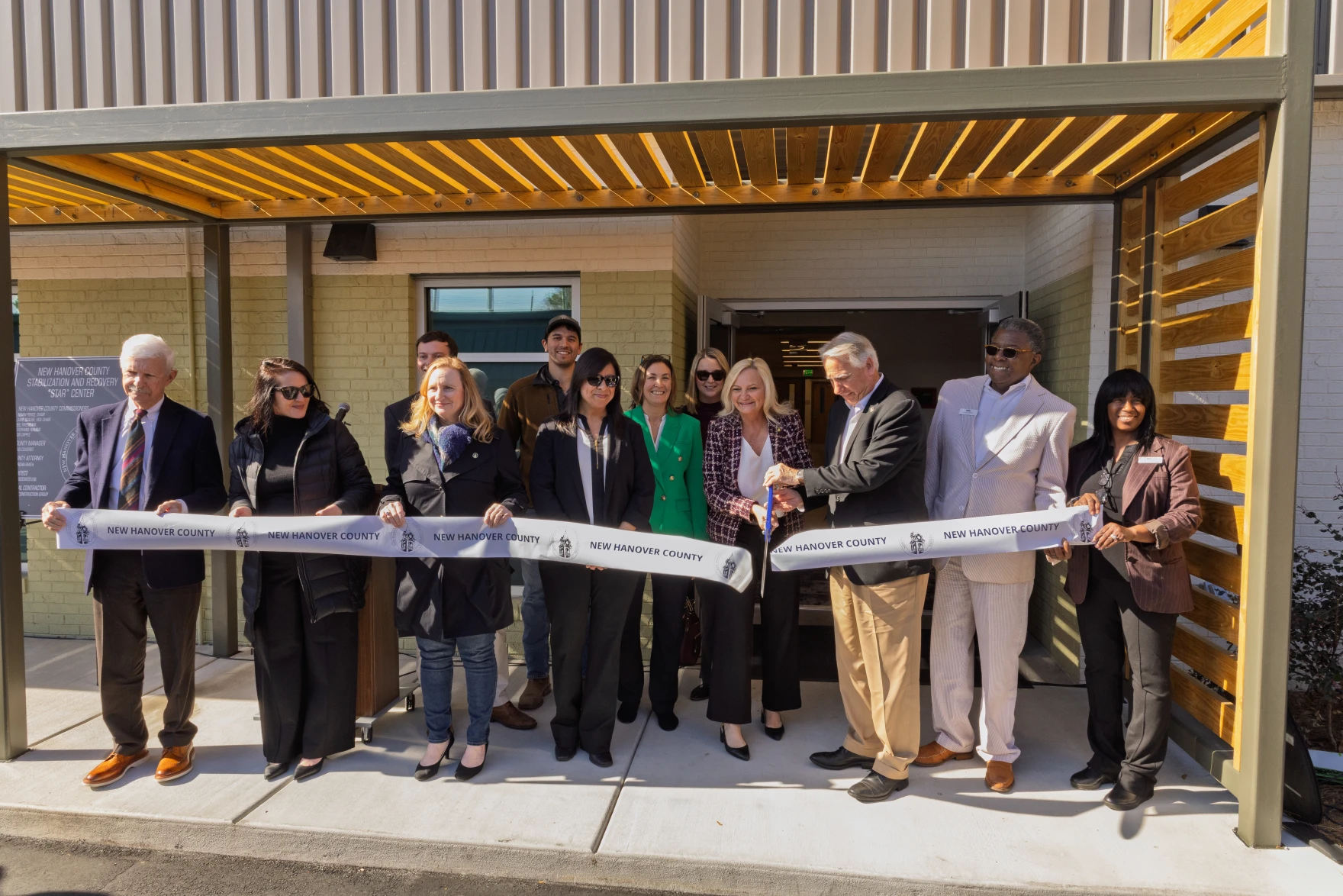
LINC leadership, New Hanover County representatives, and community partners celebrate the opening of STAR in fall 2025.
LINC welcomes housing referrals for both the Marvin E. Roberts Transitional Living Campus and the New Hanover Stabilization and Recovery Center (STAR). Complete our housing referral form to help our team understand the applicant's needs and determine appropriate next steps. Placement is subject to eligibility and availability.
LINC's Permanent Supportive Housing (PSH) program provides longer-term housing opportunities for individuals who are ready to take the next step toward independent living while continuing to benefit from structured support. Through a range of housing arrangements, participants can establish a stable home and build on the progress they've made in their reentry journey.
LINC prioritizes individuals transitioning from its residential programs while also considering other eligible applicants as housing becomes available. Participation comes with important responsibilities, including maintaining recovery and staying actively connected with LINC case managers. These ongoing relationships provide encouragement, accountability, and access to resources that support lasting stability.
Interested in Permanent Supportive Housing? Complete the application below to begin the review process. Housing opportunities are subject to eligibility and availability.
